

Dog Basics: What Every Pet Owner Should Know
Posted by Sierra Pet Meds on Jun 16, 2026
Bringing a dog into your life is exciting, but the day-to-day choices you make will shape their health, behavior, and comfort. From nutrition to parasite prevention, a few smart habits can help your companion thrive. Whether you’re brushing up on puppy training basics or building a steady dog grooming routine, the goal is the same: keep care simple, consistent, and easy to maintain.
Choosing the right dog for your home
The “best” match isn’t about popularity—it’s about fit. Start with your schedule, energy level, and how much daily time you can commit to walking, play, training, and companionship. A high-drive dog in a low-activity home (or the reverse) is a common reason for frustration on both sides.
Size matters, but temperament matters more. Think about noise sensitivity, how often you have visitors, and whether you want a cuddly lap companion or a more independent partner. If you already have other pets, prioritize dogs known for calm, social behavior and plan a slow introduction with plenty of supervision.
Adoption or purchase, puppies or adults—each has tradeoffs. Puppies require intense training and supervision, while adult dogs may come with established habits (good or bad). Ask about energy level, comfort with handling, and any history of skin issues, ear infections, or anxiety so you can plan ahead.
Daily care essentials: food, exercise, and grooming
Nutrition is the foundation of long-term health. Choose a complete and balanced diet that suits your dog’s life stage and activity level, and measure portions rather than free-feeding. Sudden diet changes can upset digestion, so transition gradually when switching foods.
Exercise should include both movement and mental work. Many dogs need structured walks plus short bursts of training games, sniff time, or puzzle toys to stay calm at home. Under-exercised dogs often show it through chewing, barking, or restlessness.
Grooming is more than looks—it’s skin and coat care, early problem detection, and comfort. Brush regularly for your dog’s coat type, keep nails trimmed so walking stays pain-free, and check ears for odor or debris. Bathing too often can dry the skin, so use a gentle routine that matches your dog’s needs.
Basic grooming kit checklist
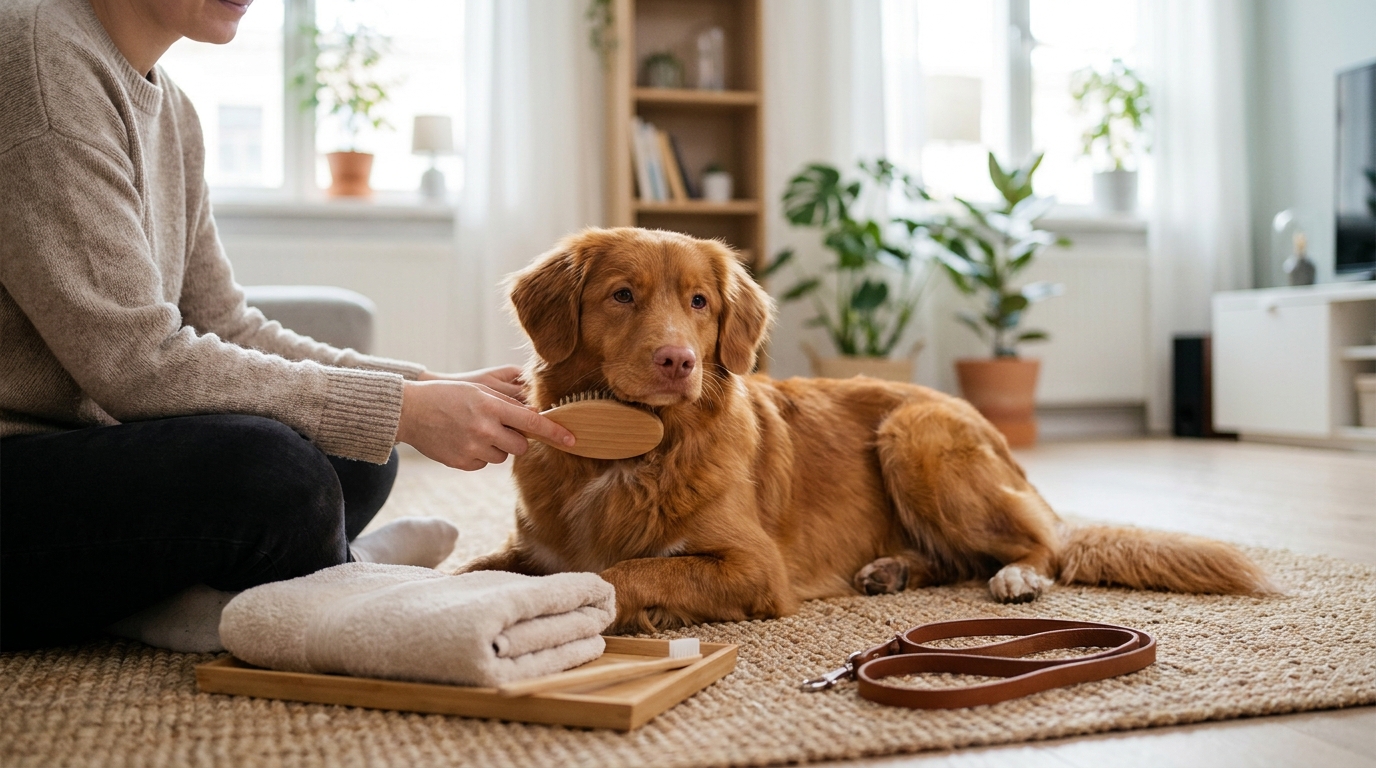
A consistent dog grooming routine is easier when your tools are ready. Consider keeping a small kit in one spot so you can do quick touch-ups instead of waiting until everything feels urgent.
- Brush/comb matched to coat: detangling and shedding control
- Nail trimmer or grinder: plus styptic powder (or your vet’s recommended option) for minor nicks
- Dog-safe shampoo: and a towel you don’t mind using for muddy days
- Ear cleaning supplies: only as directed for your dog; avoid cotton swabs in the ear canal
- Toothbrush and pet toothpaste: for simple, frequent dental care
- Tick remover tool and fine-tooth comb: helpful for coat checks after outdoor time
For owners shopping online, it helps to keep essentials grouped by purpose—nutrition, grooming, and prevention—so you can restock on time. If you organize your routine like a checklist, it’s easier to stay consistent and spot changes early.
Training and social skills that prevent problems
Training isn’t about perfection—it’s about communication and safety. Start with a few core behaviors: name response, sit, leash walking, and a reliable recall plan (even if you never fully trust off-leash). Reward-based training builds confidence and reduces fear-driven reactions.
Socialization should be thoughtful, not overwhelming. Introduce your dog to new sounds, surfaces, people, and calm dogs at a pace they can handle. Watch for stress signals like lip licking, tucked tail, avoidance, or sudden scratching, and give space before pushing forward.
Chewing, jumping, and barking are usually solvable with structure. Provide legal chew options, prevent rehearsal of bad habits, and reward calm choices. Consistency from everyone in the household matters more than complicated techniques.
Puppy vs. adult training timelines (simple expectations)
Puppies learn fast, but they also need more repetition, shorter sessions, and closer supervision. Focus first on potty routines, gentle handling, and basic cues, then build toward leash skills and calm greetings. Adult dogs can absolutely learn new behaviors—many progress quickly once they understand the routine—but they may need extra time to replace old habits with new ones. No matter the age, short daily sessions (even a few minutes) usually work better than occasional long training marathons.
Quick tip: If your dog struggles with a behavior, manage the environment first (baby gates, leashes, chew options) while you train—prevention stops the habit from getting stronger.
Flea, tick, and heartworm prevention: what matters
Parasite control is one of the most practical ways to protect your dog’s comfort and health. Fleas can trigger intense itching and skin irritation, while ticks can be hard to spot until they’ve already attached. Heartworm prevention is important because infection can be serious and costly to manage. Keeping a plan on schedule—and choosing appropriate flea and tick medicine for your dog—can prevent many avoidable problems.
The key is consistency. Set reminders so monthly or scheduled protection doesn’t lapse, especially during busy seasons of travel or routine changes. Prevention works best as a routine rather than a reaction after you see scratching or a tick.
How to choose between topical vs. oral preventives
Different products are designed for different needs, and they aren’t all interchangeable. When deciding what fits best, consider your dog’s habits and your ability to apply the product correctly every time.
- Topical options: may be a better fit for dogs that won’t take chews, but they require careful application and may be affected by frequent bathing, swimming, or close contact right after application (follow label instructions).
- Oral options: can be simpler for many households because there’s no residue on the coat, but they still need consistent dosing and should be chosen with your dog’s health history in mind.
- Combination plans: some dogs use separate products for fleas/ticks and heartworm. Your veterinarian can help you avoid overlaps and choose a plan that matches your dog’s risk and medical history.
Medical responsibility note: Heartworm prevention typically requires veterinary guidance and routine testing. If you find an attached tick, or your dog seems ill after tick exposure (lethargy, fever, lameness, poor appetite), contact your veterinarian for advice.
Safety note: Always follow label directions, and talk with your veterinarian before combining preventives or switching products—especially if your dog has a history of sensitivities or is taking other medications.
Home steps amplify prevention. Wash bedding regularly, vacuum common resting spots, and check your dog’s coat after outdoor time—especially around the neck, ears, tail base, and between toes. Early detection reduces the chance of a small issue turning into a full home infestation.
Many owners build a simple “health restock” routine alongside food and grooming supplies so protection stays on schedule without last-minute scrambling. A steady plan is often what separates occasional problems from year-round comfort.
Home health monitoring and when to get help
You know your dog’s normal better than anyone, so small changes matter. Track appetite, energy, stool quality, scratching, ear odor, and any shifts in behavior like hiding or irritability. Keep a quick note on when symptoms started and what changed (diet, grooming, new environment) to make decisions easier.
Do regular at-home checks during calm moments: look at gums, feel for new lumps, check paws for redness, and scan the coat for dandruff or fleas. Dental care is also a big deal—bad breath and tartar buildup can signal discomfort. Simple routines like tooth brushing, appropriate chews, and regular inspections support long-term wellness.
Seek help promptly if you notice persistent vomiting or diarrhea, sudden weakness, difficulty breathing, swelling, severe itching, or signs of pain. When you’re stocking up on prevention, grooming, and daily essentials, build a basic pet first-aid kit too so you’re prepared for minor issues.
Frequently Asked Questions
How do I know I’m choosing the best dog for my family?
Match energy level and temperament to your daily routine, not just appearance. Consider how much training time you can commit and whether you need a calmer dog in a busy household. Meeting the dog more than once (when possible) can reveal personality and comfort with handling.
What are the most common early signs of fleas or ticks on a dog?
Frequent scratching, biting at the tail base, dandruff-like flakes, and tiny dark specks in the coat can point to fleas. Ticks are often felt as small bumps when you run your hands along the skin, especially around ears and the neck. Consistent prevention plus regular coat checks is the simplest approach.
Can I use the same parasite prevention plan year-round?
Many owners choose a year-round routine so protection doesn’t lapse during busy periods. The right plan depends on your dog’s lifestyle and how much exposure they have through outdoor time, boarding, or grooming. Read labels carefully, follow directions, and keep the schedule consistent.
If you’re building a reliable prevention routine, start by choosing options that match your dog’s weight, lifestyle, and health history, then confirm timing and testing with your veterinarian. Review labels carefully and keep your schedule consistent.